
Key takeaways
- Peri-implant health means no redness, no bleeding on probing, no swelling, and no pus.
- Peri-implantitis adds progressive bone loss to inflammation. A clinician and a radiograph make that call.
- A sore mouth after surgery is not the same list. Do not self-diagnose failure from a feeling.
- If you already have an implant that does not feel right, call the clinic. The quiz does not examine you.
| State | What the consensus report requires |
|---|---|
| Peri-implant health | No redness, no bleeding on probing, no swelling, and no pus |
| Peri-implant mucositis | Bleeding on gentle probing. Redness, swelling, or pus may be present. Plaque is the cause they name |
| Peri-implantitis | Plaque-related inflammation plus progressive loss of supporting bone. Bleeding or pus, deeper pockets or recession, and radiographic bone loss |
Not sure which option fits your mouth? Nine questions, no obligation, and a personalized next step.
Planning a treatment, not a problem todayWhat do published disease signs include?
Berglundh, Armitage, and the 2017 World Workshop define peri-implant health as the absence of erythema, bleeding on probing, swelling, and suppuration. Peri-implant mucositis is bleeding on gentle probing. Erythema, swelling, and suppuration may be there. They name plaque as the cause. Peri-implantitis is plaque-associated inflammation of the mucosa together with progressive loss of supporting bone. The clinical signs they list are bleeding on probing and/or suppuration, increased probing depths and/or recession, plus radiographic bone loss.[1]
That list is not a photograph you can take in a bathroom mirror. Probing depths and radiographs are clinic measurements.
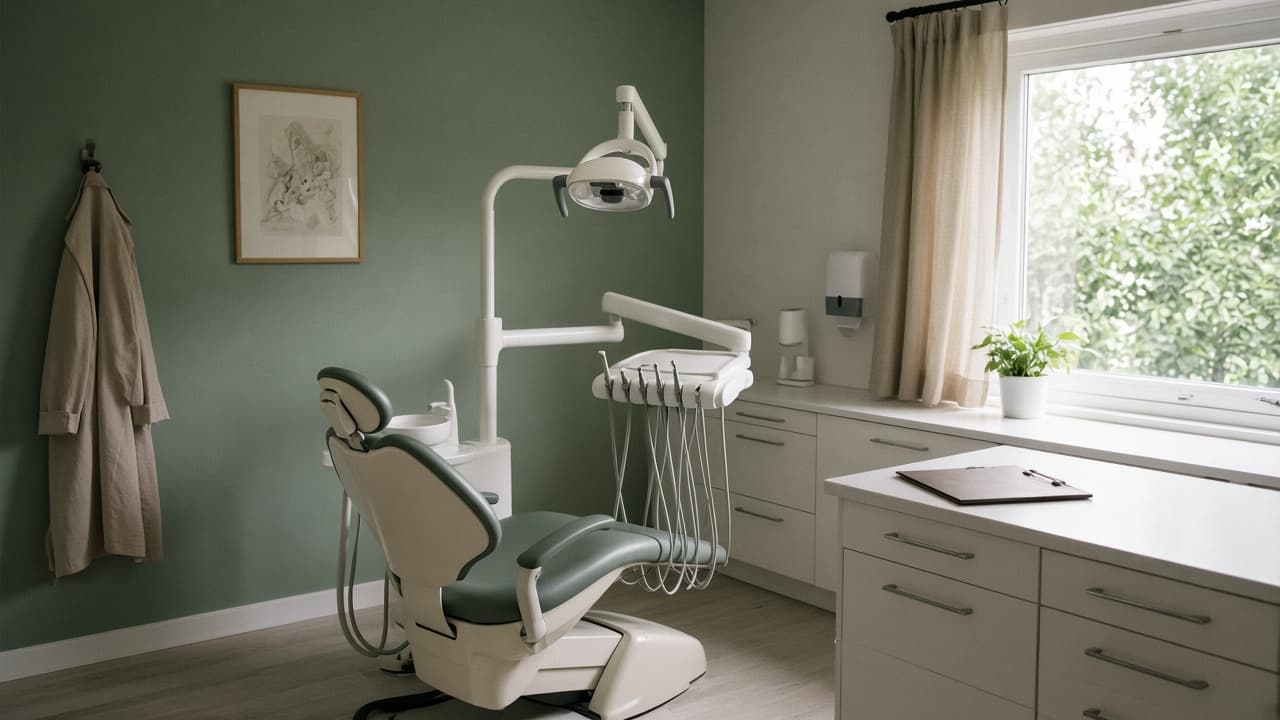
Is soreness after surgery the same list?
No. The workshop definitions are for peri-implant mucositis and peri-implantitis, not for the first days after an operation. This page does not turn a tight feeling, a bruise, or a tender gum into a failed implant. It also does not say a loose feeling proves failure. If the timing is the early weeks after All-on-4, read what the studies do and do not time, and still call if you are worried. Longer follow-up, which is not the same question as this week's soreness, is in how long All-on-4 implants last.
Why call instead of taking the quiz?
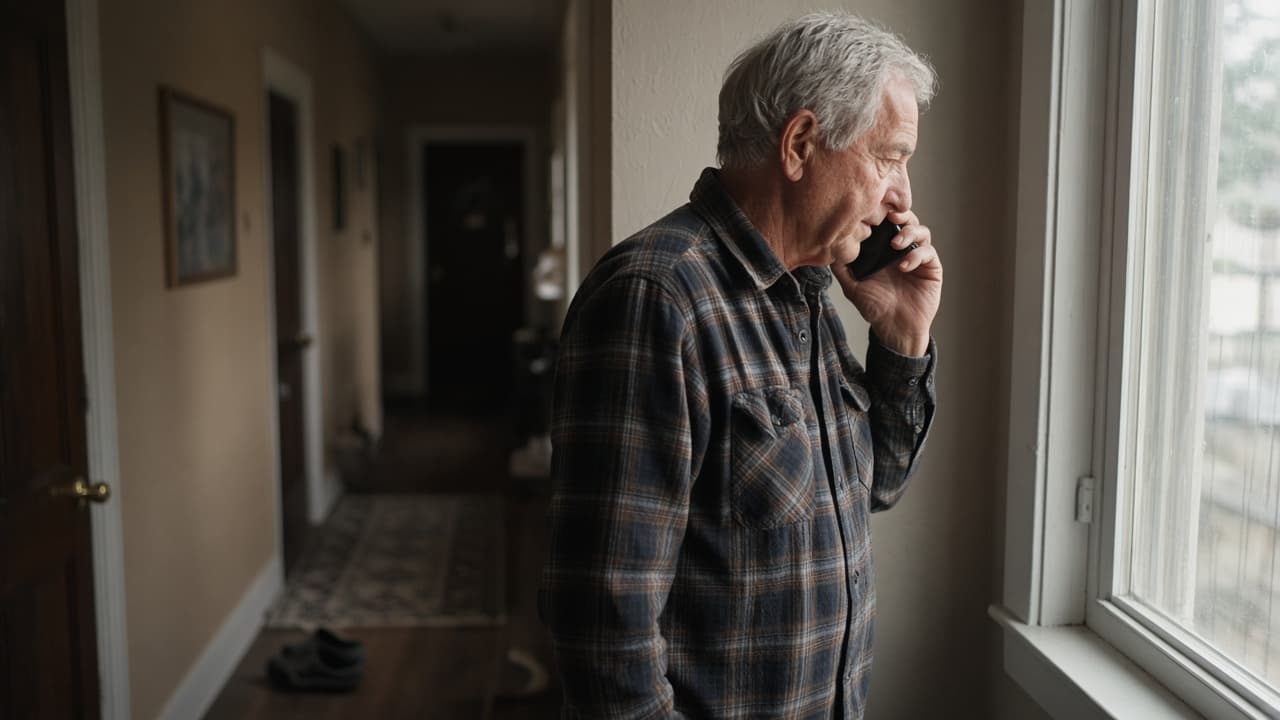
The quiz asks people who are choosing a treatment which path to explore. It does not look in your mouth, and it does not read a radiograph. If Renew treated you, call 613-841-6111 or use the contact page.[2] If another office treated you, call them. The risks hub on this site is that contact path, not a self-test.
Tom Szarski, DD, is the denturist. The implant surgeon places implants. Either way, a mouth that already hurts needs a person on the phone, not a score on a form.
Sources
- Peri-implant diseases and conditions: Consensus report of workgroup 4 of the 2017 World Workshop — Journal of Clinical Periodontology
- Contact Renew Implant Centre — Renew Implant Centre
Frequently asked questions
What are published signs of peri-implant disease?
The 2017 World Workshop says peri-implant mucositis shows bleeding on gentle probing, and may show redness, swelling, or pus. Peri-implantitis adds progressive loss of supporting bone, with bleeding or pus, deeper pockets or recession, and bone loss on a radiograph.
Can I tell at home that an implant has failed?
No. Those signs are diagnosed by a clinician with probing and radiographs. A feeling that something is loose or sore is a reason to call, not a diagnosis you can finish yourself.
Who should I call?
If Renew treated you, call 613-841-6111 or use the contact page. If another clinic treated you, call that clinic. The implant candidate quiz is for people planning treatment, not for someone who already has a problem.